

The best low light houseplants for a UK winter are snake plants, ZZ plants, cast iron plants, pothos and peace lilies. They put up with short, grey days and dry radiator heat, and they ask very little of you. Here is how to pick well, keep them happy and spot the plant that needs a bigger pot.
Pop the kettle on, because a few small decisions in November make a big difference by February.
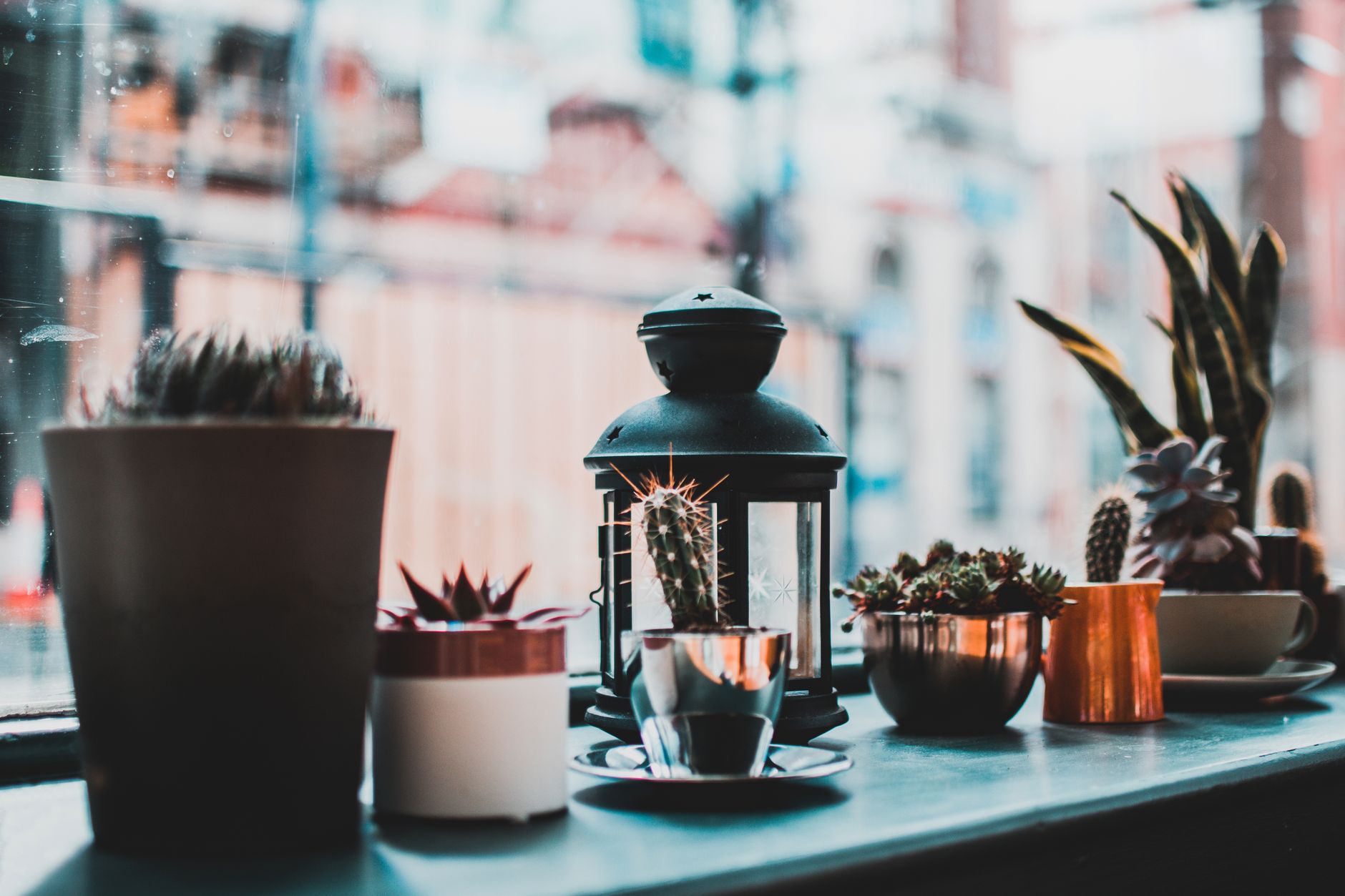
Which houseplants cope best with dark British winters?
The toughest choices are snake plant (Sansevieria), ZZ plant (Zamioculcas), cast iron plant (Aspidistra), pothos and peace lily. All of them evolved in shade or tolerate patchy light, and none sulks the moment November turns gloomy.
- Snake plant: upright, almost unkillable, and happiest when you forget it for a fortnight.
- ZZ plant: glossy leaves and thick, water-storing roots, so it forgives missed waterings.
- Cast iron plant: a Victorian parlour favourite, named for its toughness, and it suits a dim hallway.
- Pothos: trailing and easygoing, lovely on a shelf away from the window.
- Peace lily: tolerates lower light and droops dramatically when thirsty, then perks up after a drink.
Low light does not mean no light. Keep these within a few feet of a window, and give the leaves a wipe with a damp cloth now and then, since dust blocks what little daylight there is.
How do you look after houseplants near a radiator?
Move plants out of the direct blast of a radiator and water less often than in summer. Dry heat pulls moisture from leaves and compost quickly, while short days slow growth, so plants need less water than you might expect.
A simple routine works. Push a finger an inch or two into the compost and water only if it feels dry. Use room-temperature water, since icy water straight from a cold tap can shock roots. Stand pots on a saucer of pebbles if you like, though a small distance from the heat source does more good than any gadget.
Draughty windowsills are the other trap. Glass gets properly cold on winter nights, so pull plants back a little behind the curtains, or move them off the sill after dark.
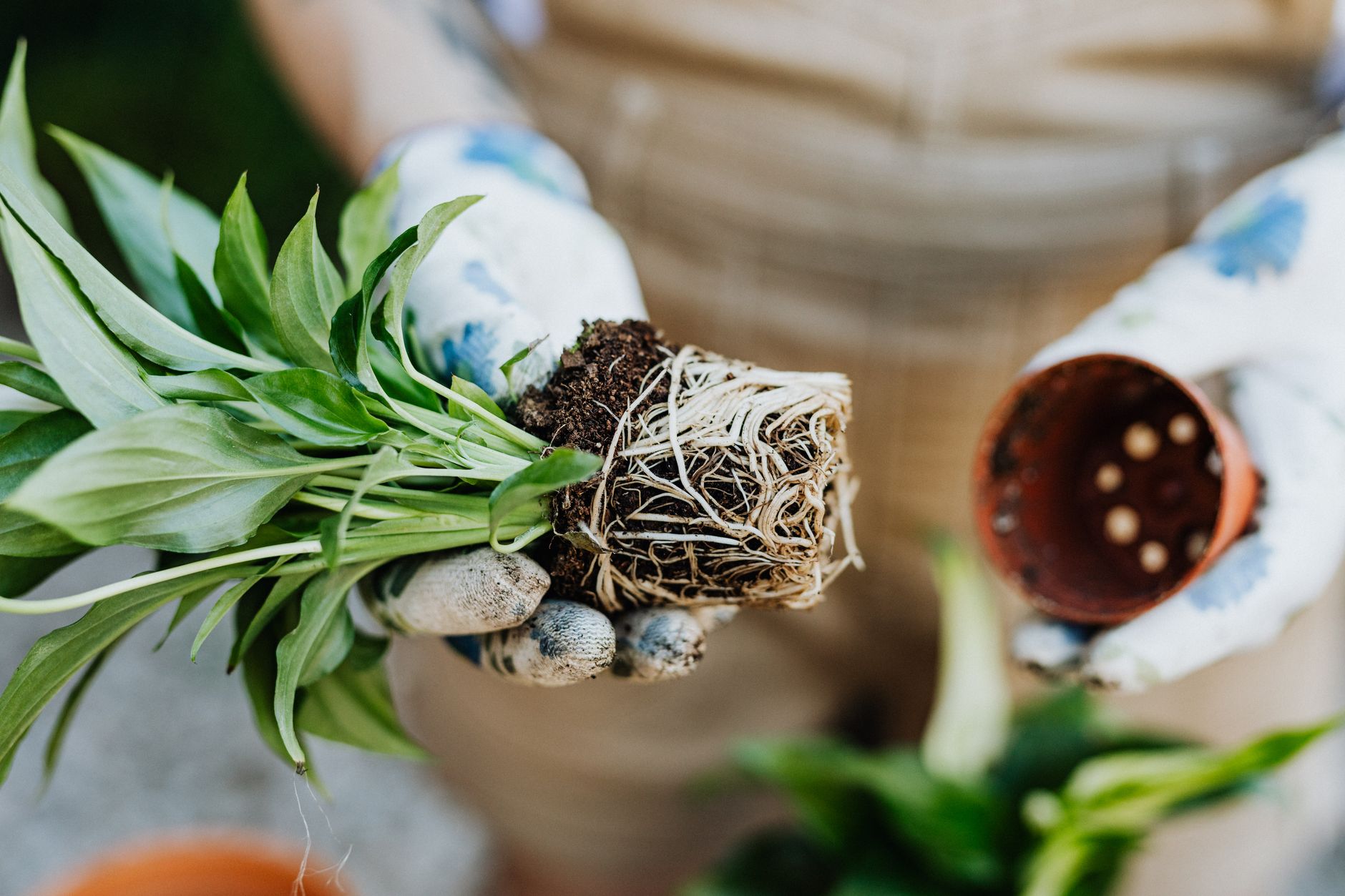
How can you tell a plant has outgrown its pot?
A plant has outgrown its pot when roots poke out of the drainage holes, circle thickly round the surface, or the compost dries out within a day or two of watering. Water running straight through without soaking in is another giveaway, as there is more root than soil.
Plenty of us were taught to wait for spring. For most tough plants, I’d say that is sensible advice, because growth restarts then and roots settle quickly. But a plant that is properly root-bound and struggling is not helped by months of waiting. A quiet winter repot, into a pot only one size up with fresh compost, is kinder than leaving it cramped. Keep the disturbance gentle, water lightly afterwards and skip the feed until the days lengthen.
Snake plants are the exception. They like being snug, so leave them unless the pot is cracking or they are toppling over.
What about fussier carnivorous plants?
Carnivorous plants such as pitcher plants are fussier than the easy list above, and they dislike a clumsy repot. They want specific compost, low-mineral water and very little root disturbance, and winter is when many go into a rest. If one of yours is clearly cramped, read up on how to repot pitcher plant uk before you tip it out, because ordinary multipurpose compost can harm them.
As a rule, only repot a resting carnivorous plant if it truly has to be done, and handle the roots as little as you can.
A gentle winter plan
Choose one or two of the tough plants, place them near a window but away from the radiator, and water by feel rather than by calendar. If one is bursting from its pot, give it a calm, careful repot rather than letting it struggle. A green corner makes a lovely companion to a candlelit evening, and our guide to a cosy winter solstice evening at home has more ideas for settling in.
For general plant care guidance, the Royal Horticultural Society is a dependable place to look. Start by checking the pot your biggest plant lives in this weekend.



Leave a Reply