

Small UK towns are bringing back the monthly market because it gives people something a supermarket cannot: a reason to linger, chat and know who made what they are buying. Farmers markets UK 2026 style are less about bargains and more about a slower, friendlier start to the weekend.
I’m a fan, so let me put the kettle on and take the common beliefs about these markets one at a time.
Myth: farmers’ markets are just for posh shoppers
The idea that a market stall is a luxury treat is the one I hear most. It is only half true. Some items cost more than the supermarket’s own-brand version, and that is no surprise when a small producer is not working at industrial scale. But you also buy what you need in the amounts you need: two leeks, one loaf, a small wedge of cheese. Many people find they spend about the same, because they walk out with a bag of good things rather than a trolley of impulse buys.
Prices vary stall to stall and town to town, so it is worth doing one slow lap before you buy anything. Eggs, seasonal veg and end-of-day bargains are often the best value.
Myth: it’s all jam and sourdough
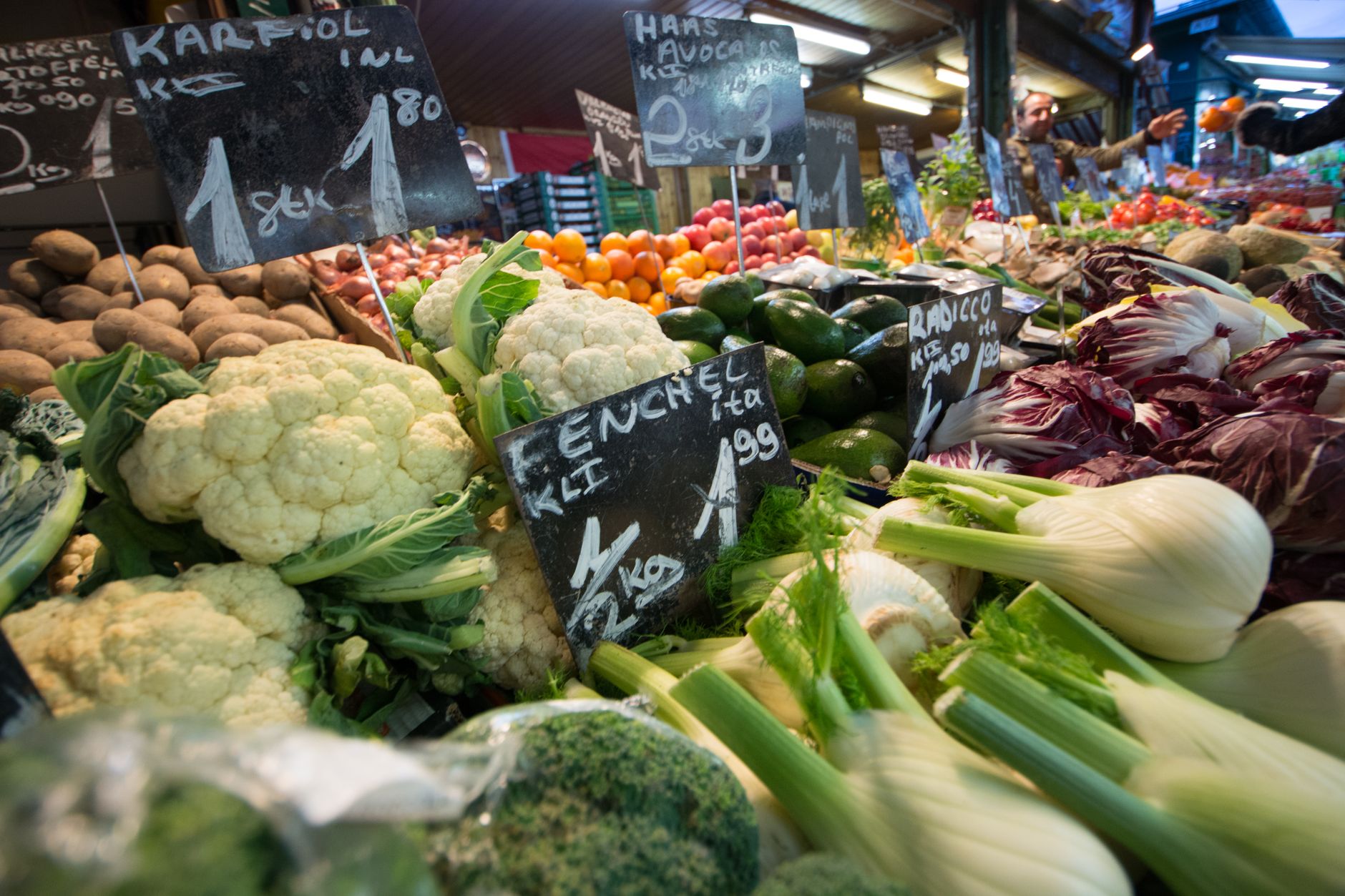
Jam and sourdough are certainly there, and I’d never complain. Yet a decent monthly market usually has a much wider spread: field-grown vegetables, free-range eggs, cuts of meat from nearby farms, cheese, honey, cider, plants and flowers. Artisan markets add ceramics, candles, knitwear and woodwork.
In November, the stalls lean towards squash, apples, root veg, game, chutneys and early Christmas gifts. That seasonal shift is one of the quiet joys of going monthly: you notice the year turning.
Why are monthly markets so popular in smaller towns?
Monthly markets work in smaller towns because they are manageable for everyone involved. A weekly market needs a steady stream of traders and shoppers. A monthly one concentrates both into a single busy morning, which gives the high street a lift without asking producers to give up every weekend.
They also fit a town’s rhythm. A market in a square, church hall or car park becomes a fixed point in the diary. People arrange to meet there, and shopkeepers nearby often see more footfall on the day. Local councils and community groups run many of these events, so the best way to find yours is to check your town council’s website or noticeboard.
Myth: you only go for the shopping
Ask regulars and the shopping is often the excuse. The real draw is the ritual: a coffee in hand, a chat with the cheesemaker about what is ready this month, bumping into a neighbour you have not seen since summer. Loneliness is a genuine issue across the UK, and the NHS lists staying connected with other people as one of its five steps to mental wellbeing. A market is a low-pressure way to do that. Nobody needs to join anything or say anything clever.
It is a close cousin of the calm, unhurried habits we looked at in how British pet owners are turning daily walks into mindful rituals. Both are about going slower and noticing more.
Myth: buying local makes no real difference
One bag of carrots will not save a farm, but the logic is simple. When you buy directly from a producer, more of your money stays with the person who grew or made the food, rather than being split along a long supply chain. Small producers often rely on markets to test new products, build a following and survive the lean months.
There is a practical benefit for you too. You can ask how something was grown, how the animals were kept, or when it was picked. Good stallholders enjoy that question. If one cannot answer it, that tells you something as well.
Myth: markets are only worth it in summer
Autumn and winter are arguably the best time to go. Tables are laden with produce, hot food stalls appear, and the Christmas gift stalls are a gentler alternative to the crowded shopping centre. Wrap up warm, bring a flask if you like, and take cash as well as your card, because not every small stall has a card reader and mobile signal in some town squares can be patchy.
How to get the most from your local monthly market
- Go early for the best choice, or later for reductions.
- Take your own bags and a few small boxes for delicate items like eggs and cheese.
- Do a full lap before buying.
- Ask stallholders what is at its best right now.
- Buy one thing you have never tried each visit.
For wider guidance on eating well with fresh seasonal produce, the NHS Eat well pages are a sensible place to start.
My advice is simple: look up the date of your town’s next market, put it in the diary, and go with no list. Take a friend if you can, and leave room in the bag.
Frequently Asked Questions
How do I find a farmers' market near me?
Start with your town or parish council website, which often lists regular markets and dates. Local Facebook groups, community noticeboards and the market organisers’ own social pages are also good sources. Dates can change, so check before travelling.
Are farmers' markets more expensive than supermarkets?
Some items cost more, particularly meat and speciality products, because small producers have higher costs. Seasonal vegetables, eggs and end-of-day deals can match or beat supermarket prices. Buying only what you need often keeps the total bill similar.
Do farmers' market stalls take card payments?
Many do, but not all. Small stalls rely on mobile signal for card readers, which can be patchy in some town centres. Taking a little cash means you will not miss out on a favourite stall.
What is the difference between a farmers' market and an artisan market?
A farmers’ market focuses on food sold by the people who grew, reared or made it, usually from the local area. An artisan market also includes handmade crafts such as ceramics, candles and textiles. Many monthly town markets combine both.
What should I buy at a farmers' market in November?
Autumn produce is at its best: apples, pears, squash, root vegetables, leeks and cabbages. Game, cheese, chutneys and baked goods are also good choices. It is a handy time to start picking up Christmas gifts too.



Leave a Reply